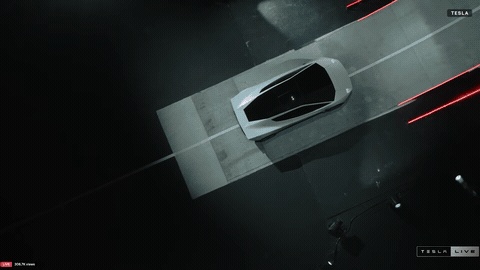
Not AI. Nine Years Late.Musk Finally Sent a Sports Car Flying:Production in 2028!
“We wanted flying cars; instead we got 140 characters.”
Ten years later, Musk answered with a flip in Texas.
Enzo · About 6 minutes
Today, the tech and automotive worlds were stunned by a high-definition demonstration video from the SpaceX facility in Waco, Texas.
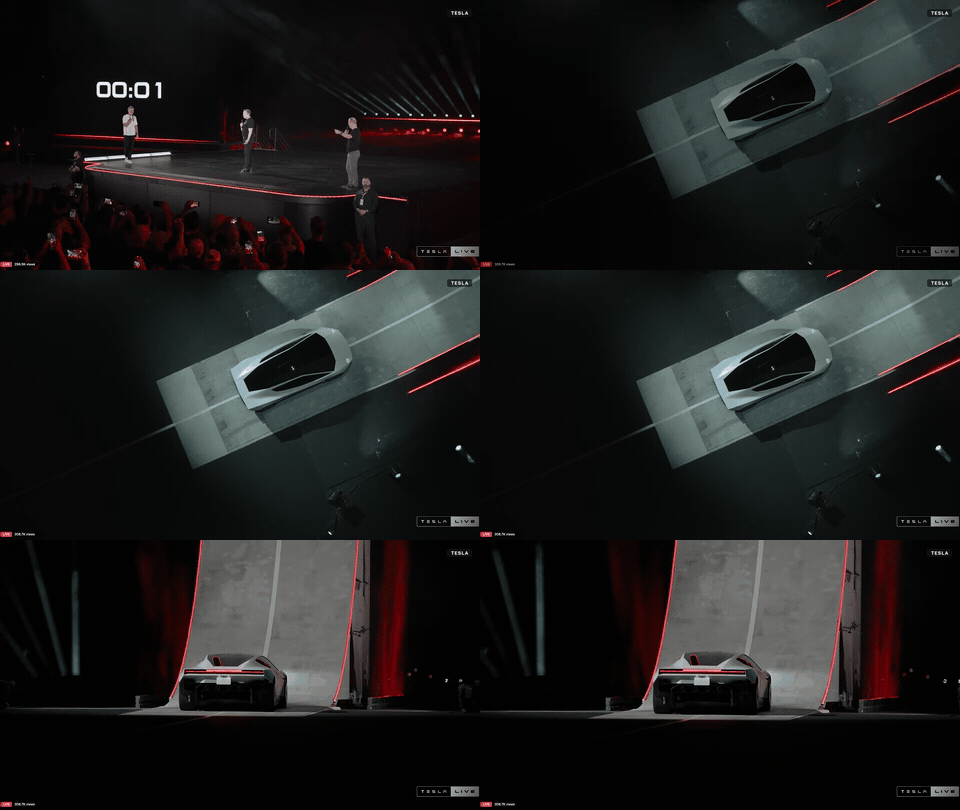
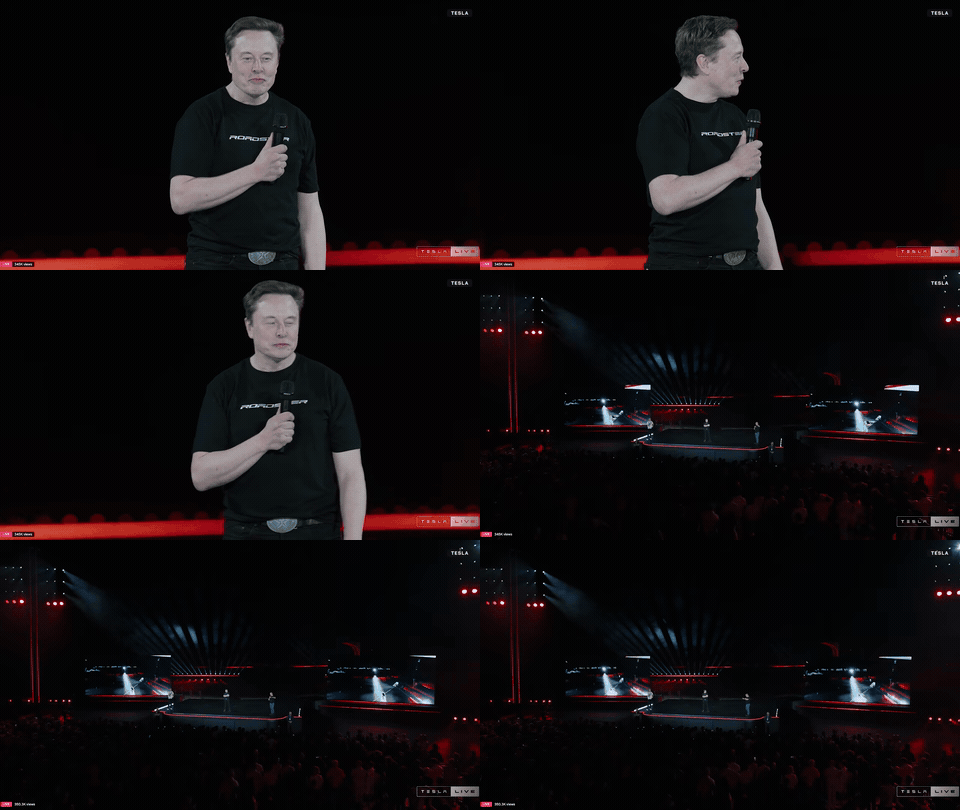
At the start of the video, Musk walked onstage and addressed hundreds of spectators holding up their phones: “You’re going to see some crazy things tonight. We had to invite an audience here to prove that this isn’t AI-generated or computer graphics. Because even seeing it with your own eyes, you won’t believe it.”
Everyone assumed it was another round of promises. The previous Roadster concept was unveiled back in 2017. Nine years on, some of the customers who put down $50,000 deposits now have children approaching middle school. The car’s reputation has gone from “supercar killer” to “the century’s most overdue delivery.”
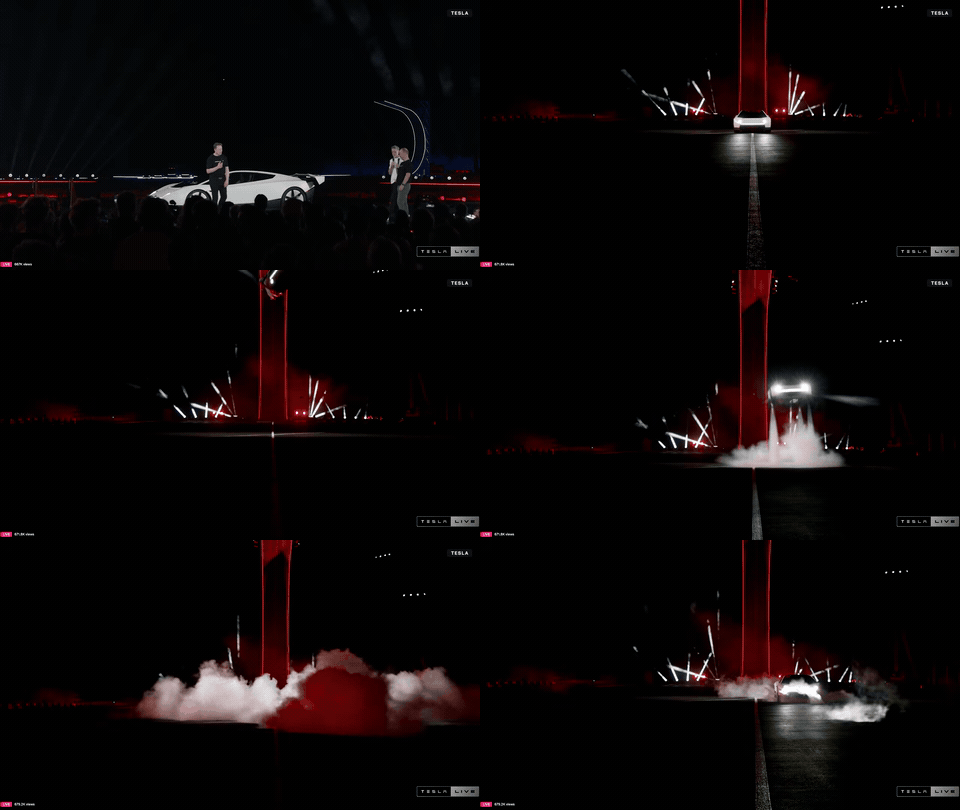
Then the countdown hit one, the lights came on, and an undisguised matte-black Roadster charged up a curved ramp. Its underbody suction system kept it racing upside down along the ceiling. It then left the ramp and used SpaceX cold-gas thrusters to perform a skateboard-like 360-degree aerial roll—a kickflip—before landing firmly back on the ground.
We thought he was just talking.
Musk put it on the engineering schedule.
01This isn’t CGI: a real car driving on the ceiling
If it had only been a stunt show, everyone could have enjoyed the spectacle and gone home. But the engineering team’s numbers and technical details made it feel as though the physics textbook needed a new chapter.
You read that right. This isn’t a four-wheel suction-cup trick: it’s an electric sports car using airflow to overcome gravity. There wasn’t even a safety cable. The car raced upside down across the top of the curved track while the wind blew spectators’ hats away.
02How it works: suction, driving and thrust
First, separate the demonstration into its parts. Hanging upside down against a curved track, driving forward along it, and rotating and landing after leaving it are three different actions. Calling all of them “flying” makes it easy to confuse which system does what.
① Fan suction: keeping the tires against the track
Fans continuously draw air out from between the underbody and the track, reducing pressure on that side relative to the surrounding air. The pressure difference creates a force toward the track and helps the tires maintain contact. “Downforce” here is relative to the car: turn the car upside down, and the force points toward the track overhead.
Unlike a conventional aerodynamic wing, this system doesn’t depend primarily on speed to generate downforce. But a fan isn’t a magical suction cup: the gap beneath the car, leakage around the edges and the smoothness of the surface all affect the result. That explains how a car can hang upside down against a purpose-built track; it does not mean it can cling to any rooftop or wall.
② Electric motors: once attached, the wheels still drive it forward
The wheels continue to supply driving force along the track, while the fans help press the tires against it. Put simply, one system handles “don’t fall off” and another handles “move forward.” The fans aren’t blowing the car up the curved ramp.
When stationary and hanging upside down on a horizontal surface, the suction force must counter the car’s weight and still leave some force pressing the tires against the surface. On a curved path, speed, track curvature and grip also matter. Without those parameters, a video alone cannot tell you the safety margin.
③ Cold-gas nozzles: thrust and attitude control
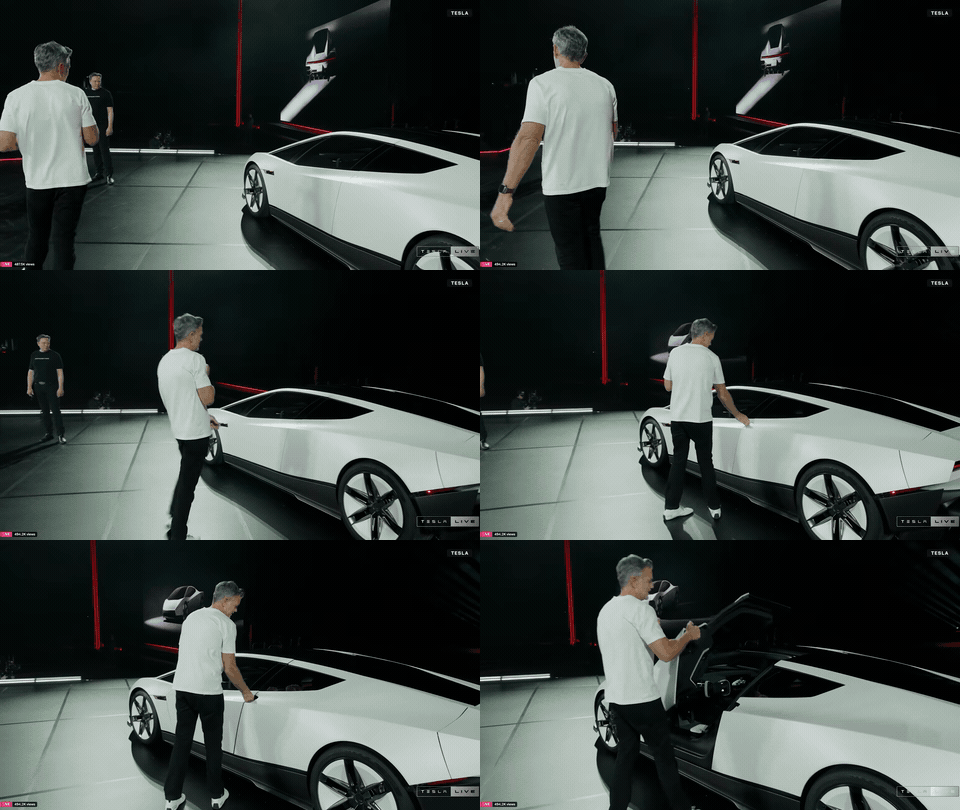
The jets can also assist acceleration on the ground; they don’t work only after takeoff. Valves feed stored gas to the nozzles, and the escaping gas applies a reaction force to the car. Once the car leaves the track, the fans no longer have a nearby surface to cling to. Its aerial movements then depend on the thrusters and control system working together. Nozzle placement and firing sequence affect both thrust direction and rotation.
According to TechCrunch’s on-site report, the engineering lead described a configuration with 10 thrusters and 600 liters of compressed air. But stored volume alone cannot tell you how long the car can fly. Pressure, flow rate, vehicle mass and the way the jets are used also matter.
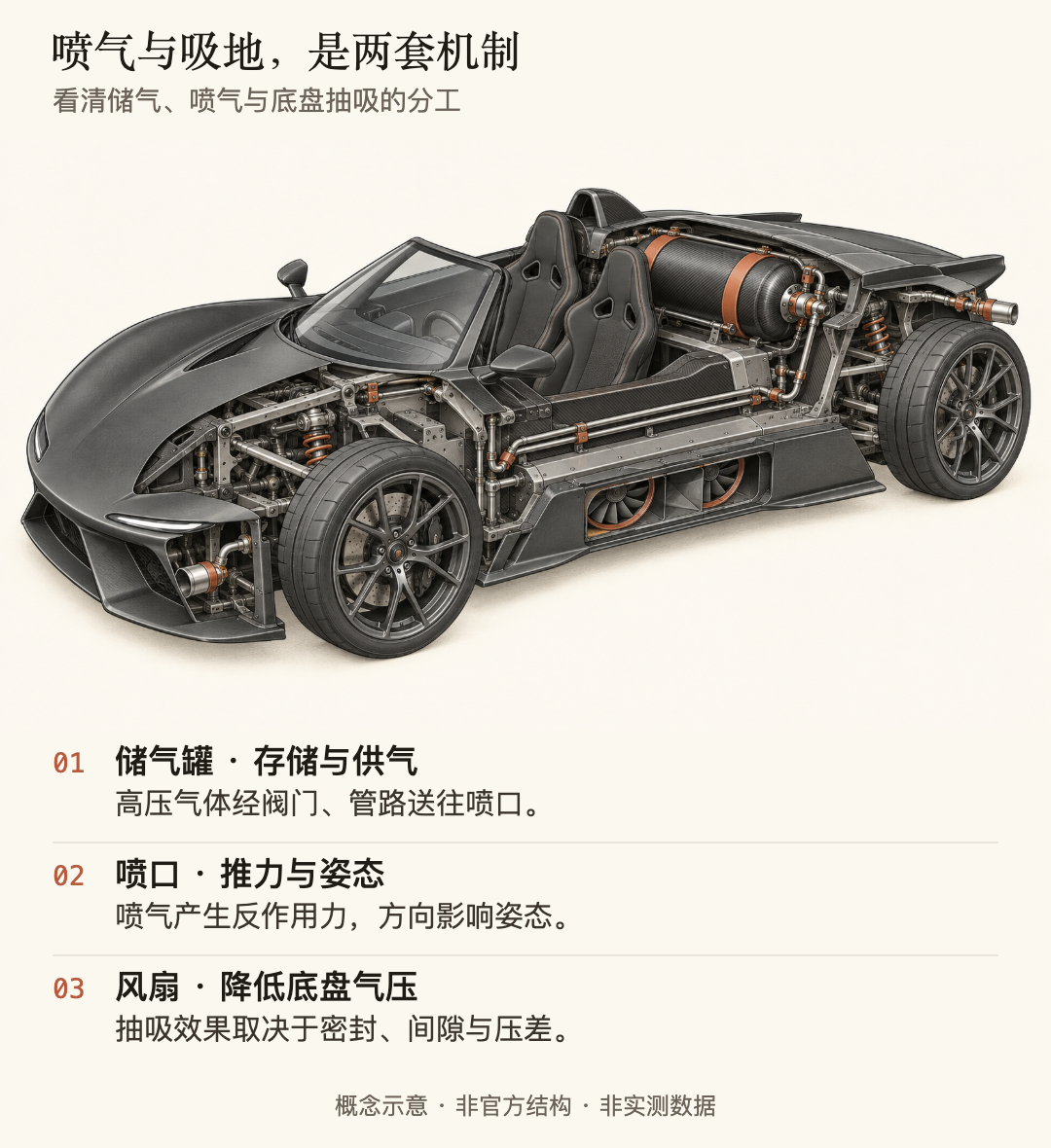
The division of labor is simple: fans maintain contact, motors drive the wheels, and nozzles provide thrust and attitude control after leaving the track. An upside-down driving demonstration and brief airborne maneuver do not establish everyday air commuting, flood escape or rooftop parking capability.
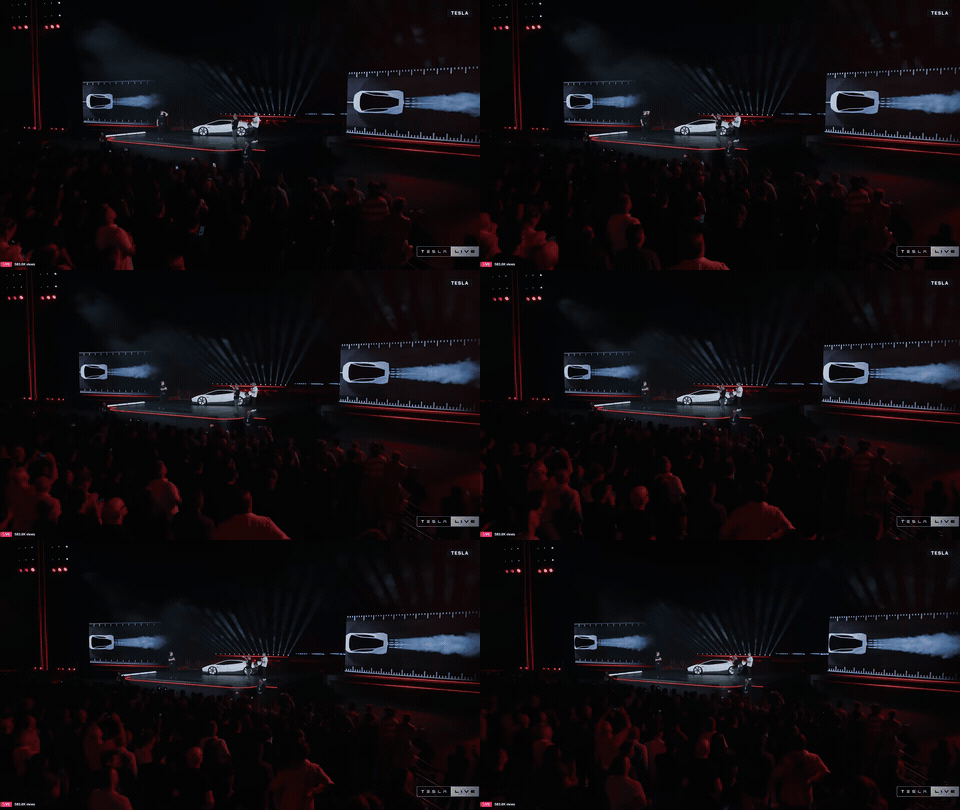
The segmented pattern in the jet does not mean the exhaust is “shooting flames.” Mach diamonds are associated with shock structures in supersonic jets. Their appearance alone cannot prove that a combustion engine is involved, and a GIF cannot directly reveal thrust. Cold-gas thrusters release stored high-pressure gas. No combustion does not mean no risk from the high-pressure system.
030.81 seconds and 4G: the car leaves before your organs do
The most dramatic moment of the launch was a live 0–60 mph—roughly 0–96 km/h—acceleration run.
The stopwatch on the giant screen stopped at 0.81 seconds.
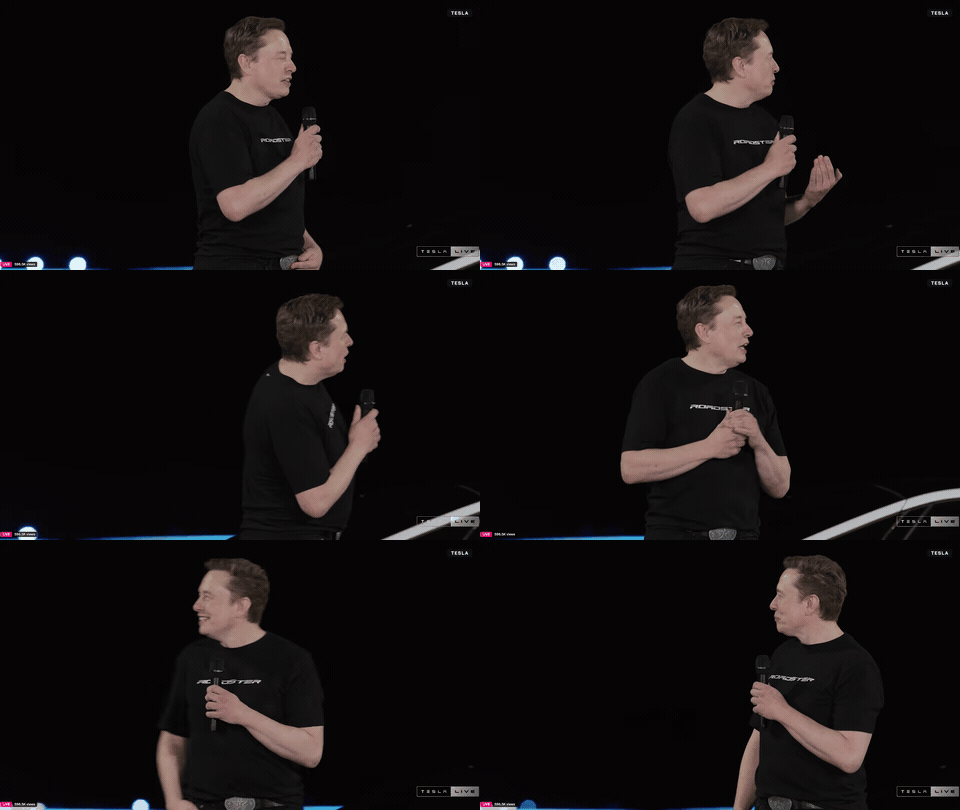
What does that kind of acceleration mean? After one second of free fall, you’re traveling at only 35 km/h. Reaching 96 km/h in 0.81 seconds puts the instantaneous longitudinal load above 4G!
For comparison, a crewed Shenzhou rocket launch peaks at around 3G to 4G, while an ordinary drop-tower ride is only about 1G. Under an instantaneous 4G load, blood throughout the body is thrown backward like lead. Without g-force training or a G-suit, the brain can briefly lose blood supply and the rider can experience a blackout.
Trying not to laugh, Musk said: “We actually didn’t go all out. If we made it 0.17 seconds or 0.1 seconds, flooring it could crush the passenger’s internal organs—destroy the human. So, out of humanitarian concern, we’ve held it to around 0.8 seconds.”
In the ultimate Rocket version, the passenger seat is removed to make room for plumbing, and top speed heads toward Mach 0.5—about 600 km/h. The demonstration even borrowed a signature move from skateboarding legend Tony Hawk: an airborne kickflip several meters above the ground, clearing an entire line of Teslas!
04Insurers catch the night train; Lei Jun looks up at the Nürburgring
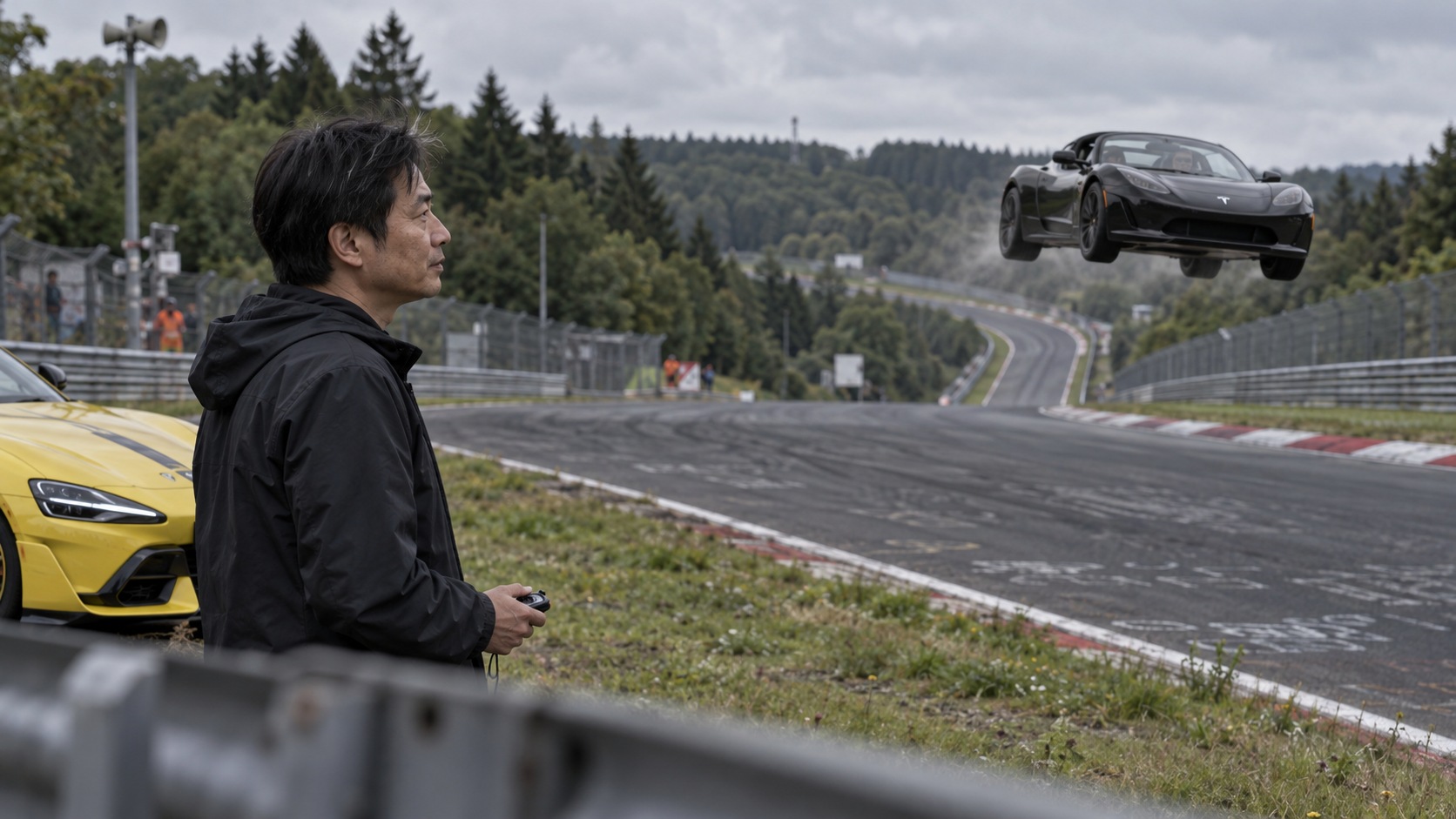
Lei Jun is still chasing lap times at the Nürburgring. He looks up, and the other car isn’t even on the ground anymore. How do you compete with that?
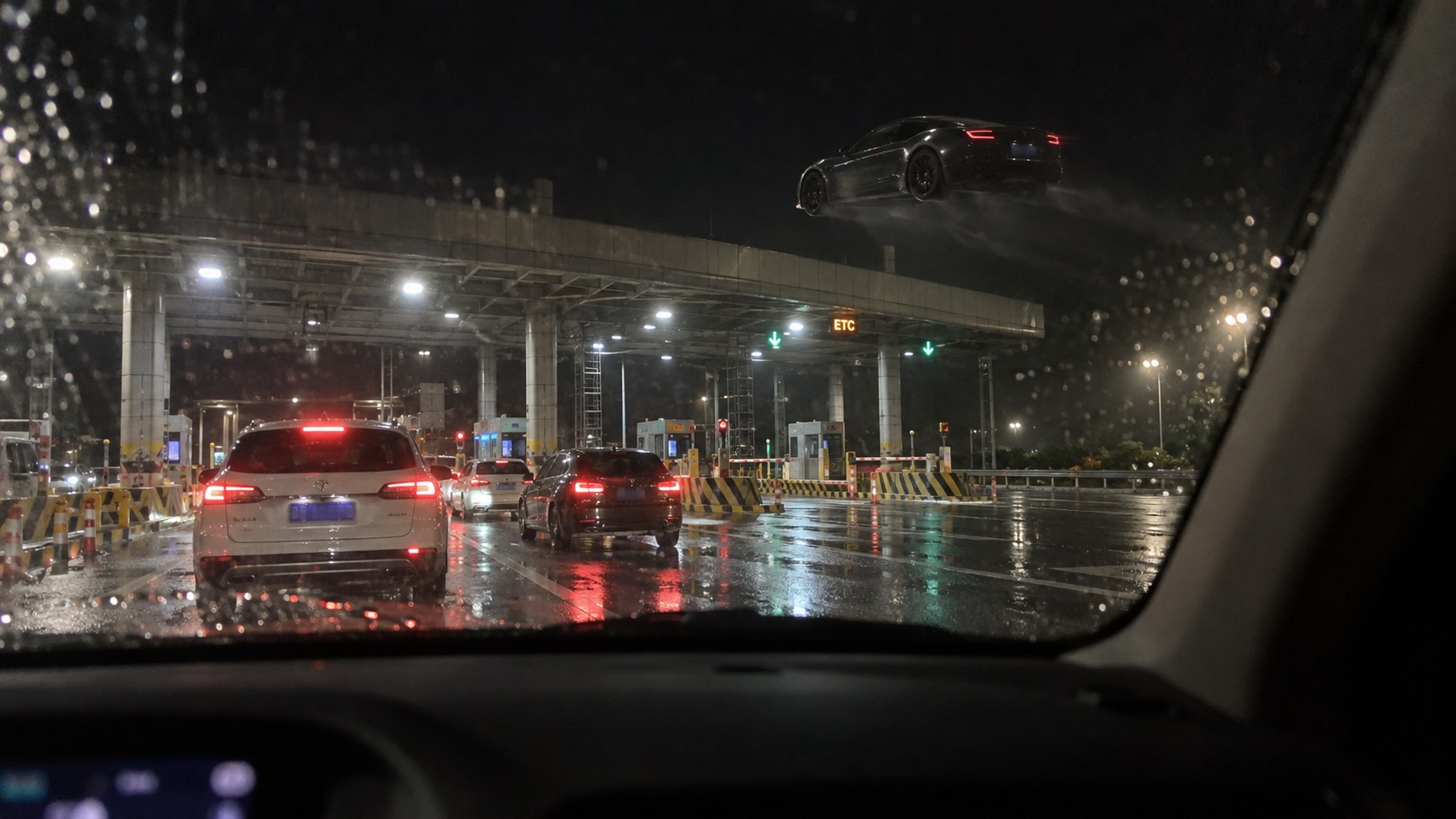
Imagine being stuck at a toll booth when a car suddenly passes overhead. Before getting jealous, I just want to know how they calculate its toll.
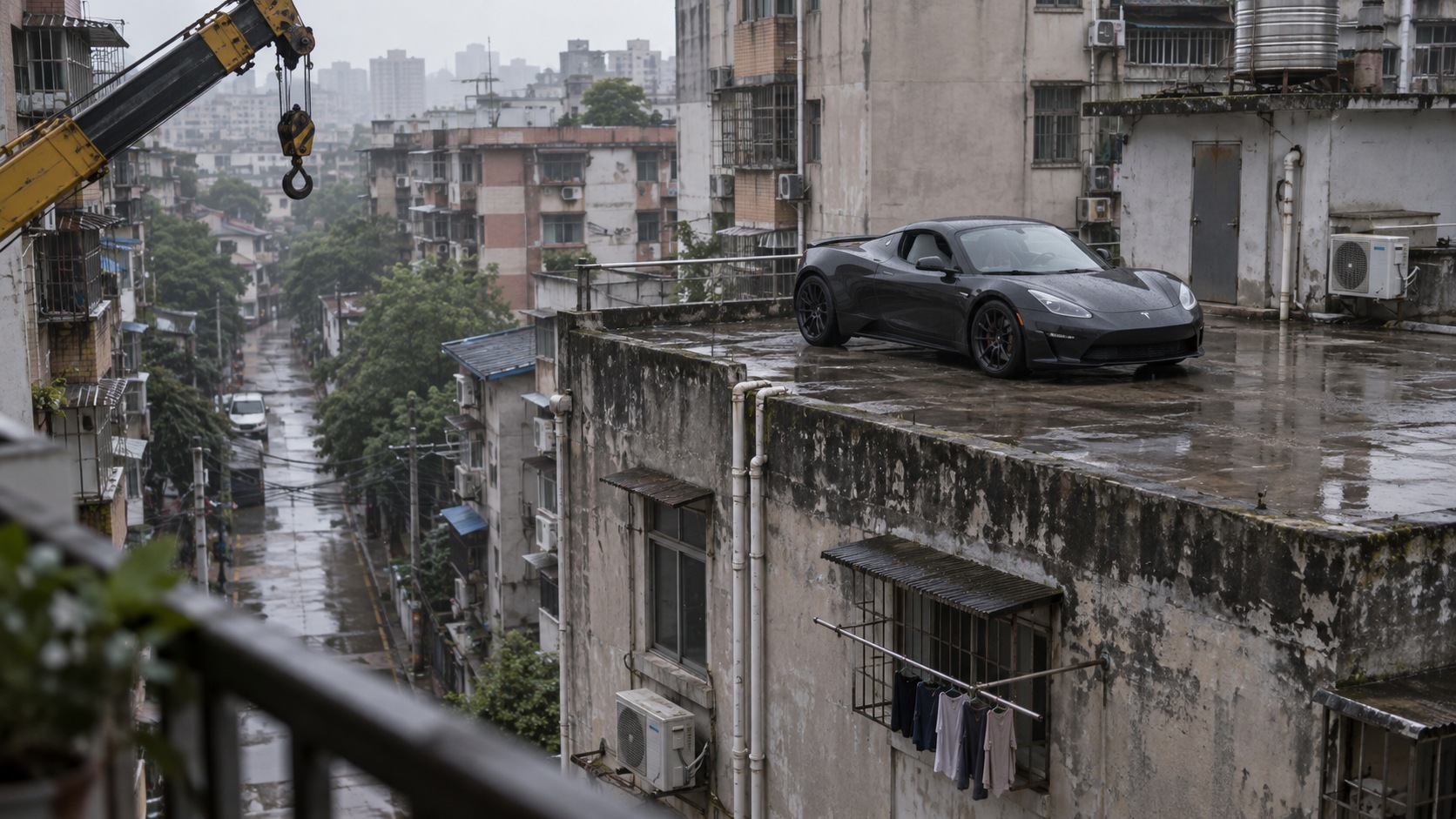
If it really could fly wherever you wanted, you could park it on the roof when the streets flood. No crane needed.
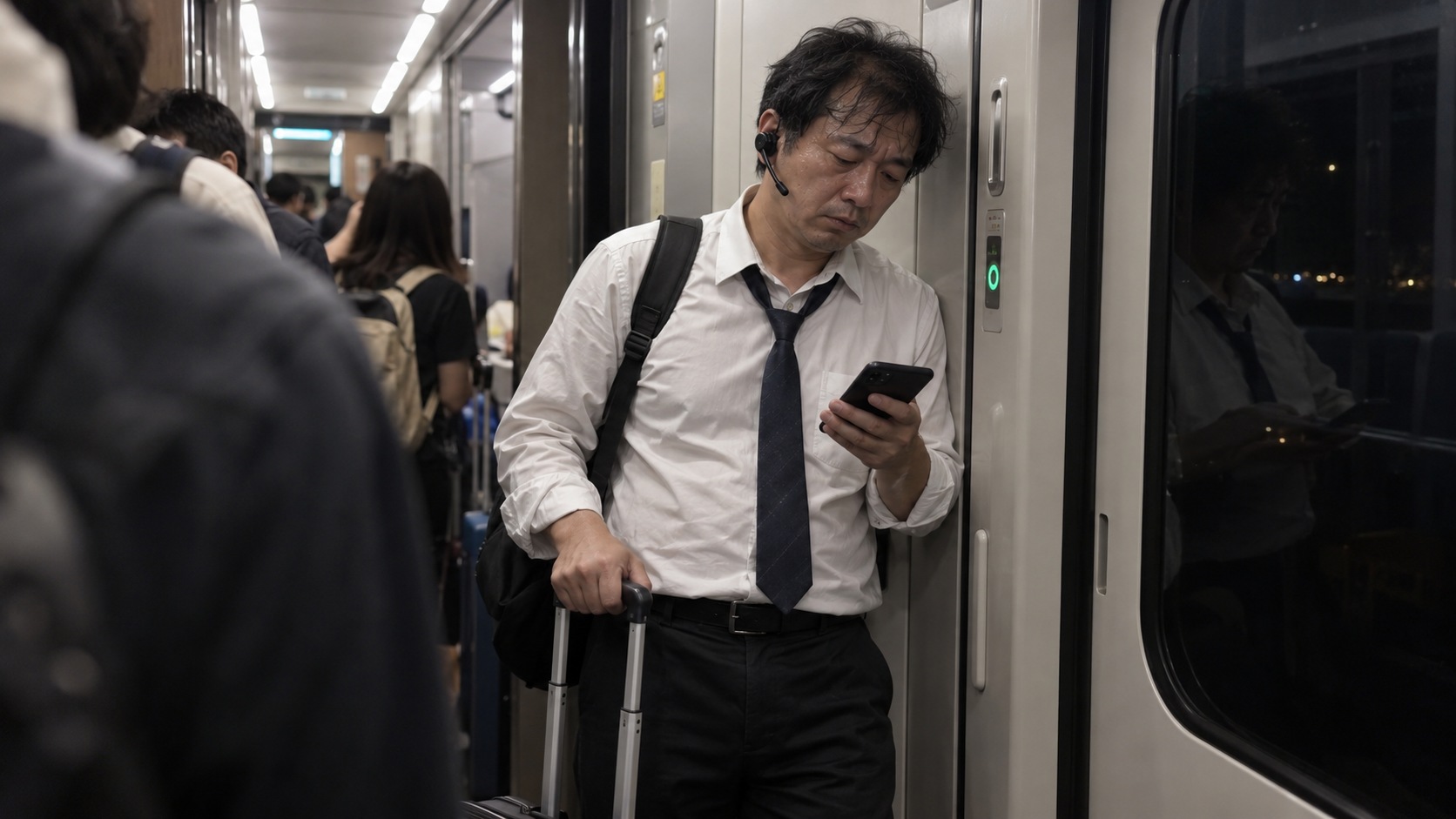
The insurance company has the real headache. A driver calls to report a crash. The agent asks what they hit. “Someone’s third-floor balcony.” No wonder the claims team is buying standing-room tickets on the first train out.
05Production in 2028:another four-year interest-free loan
Just when you thought Tesla had finally filled a hole nearly a decade in the making, the event ended in the most unmistakably Musk way possible.
Someone in the audience shouted: “So when will you actually start production and deliveries?”
Musk held the microphone, gave his trademark innocent smile and slowly replied: “We expect to begin production in 2028.”
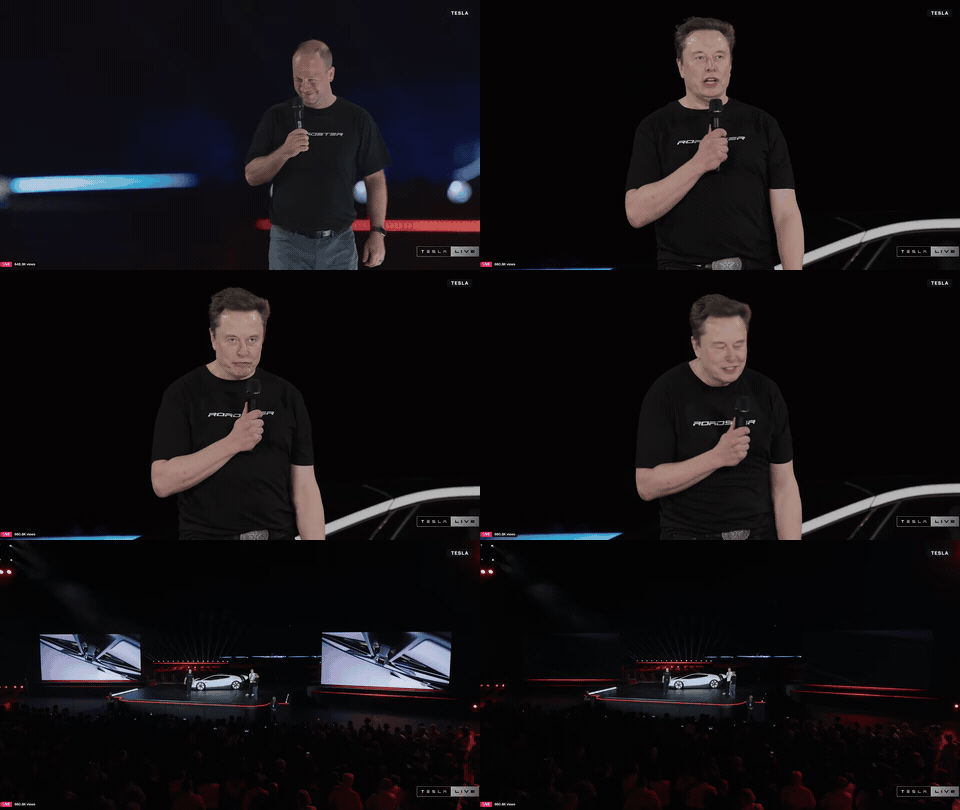
The room paused, then erupted in laughter, assuming he had delivered another dark joke. Musk quickly straightened his face and added, very seriously: “Actually. For real.” The laughter only grew louder.
Unveiled in 2017, promised for 2020. In 2020: nearly there. In 2024: see you by year-end. In late 2026, he throws the car into the Texas sky, makes it flip, then tells everyone with heartfelt sincerity: see you in 2028.
The good news: Musk really did build the wildest thing he once bragged about. The bad news: between now and flying one to work over the rush-hour traffic lie a leap year, two Olympic Games and countless hair-losing meetings between road-traffic and civil-aviation authorities.
Tesla’s website has reopened reservations with a $50,000 deposit. Will you lend Musk another interest-free loan this time?