At the end of July, my British giffgaff SIM was suddenly deactivated. The tens of pounds I had topped up were locked in the account. When I asked customer service for a refund, they shut me down with “a breach of the overseas roaming rules.”
In the past, I probably would have written off a few hundred yuan rather than work through dozens of pages of English terms and exchange emails across a seven-hour time difference. This time, I didn’t want to do it myself. I handed my payment screenshots and the terms to Codex, an AI agent, and asked it to follow up on the refund.
A few days ago, the money they had insisted they wouldn’t refund arrived back in my bank account, in full. I don’t know British law, and I didn’t write a single sentence of English myself. I handed the matter to AI and passed along the replies from customer service. It handled the rest: finding gaps in the terms, drafting English complaint emails, and seeking pressure from the relevant local regulators. If you’re trying to recover a subscription charge or an account balance, AI can also help organize your evidence and draft an appeal. Whether you get a refund still depends on the circumstances and the platform’s rules.
Why Do Platforms Hold on to Small Sums? They Bet You Won’t Bother
A phone balance you can’t withdraw, software you forgot to stop renewing, a conversation with customer service that goes nowhere. Any one of these is annoying enough.
It isn’t much money, but you don’t want to give it up. Looking up words, reading terms, and writing emails back and forth hardly seems worth it either.
However politely customer service replies, it doesn’t help if the problem stays unresolved. This time, I let AI read the terms, organize the bills, and draft the next email whenever a reply came in. That saved me the work of looking things up and composing the English myself.
You Don’t Need English: Give AI This Prompt
When people ask an overseas company for a refund, they often start with a long explanation of why they didn’t use the service or forgot to cancel renewal. Several rounds of explanations later, nothing has been resolved.
You don’t need to memorize any technical vocabulary. Put your payment screenshots, the refund-rejection emails, and the company’s terms page in one folder. The prompt below is a simplified version I put together from this experience. Copy it, replace the details with your own situation, and you can get started. Use an AI that can read files. If it can’t operate your email, copy and send the drafts yourself, then paste the replies back in.
My account on [platform name] has been [deactivated / automatically charged], and there are still tens of pounds they haven’t refunded. The folder contains my original payment screenshots, customer-service emails, and their terms of service. Check the bills and refund rules, see whether my request has a valid basis, and handle drafting the English emails to recover the money. Don’t keep going in circles with frontline support. If they refuse, ask for the company’s formal written response, find out which complaint body I should contact, and draft the appeal materials. If they agree to refund me but the money doesn’t arrive, press them for the bank-system refund reference number. Base all materials on my real circumstances, don’t invent a fake address, and stop after drafting each email so I can decide whether to send it.
How AI Got the Money Back
After sending that instruction, I sat back and watched AI work through it step by step.
It first checked the bills and terms, then helped spell out the grounds for my appeal. They can deactivate a SIM for long-term use overseas, but why won’t they refund the balance? We asked them to explain the basis for that.
Customer service stuck to its refusal in the first round. AI then put the bills, rejection emails, and gaps in the terms into a PDF and emailed the British telecom complaints-handling body and the relevant local regulators. When a form on a British official website displayed a notice saying it didn’t accept submissions from outside the EU, AI didn’t make up a fake British address. It emailed the human-handled channel instead and got the case registered.
After the complaint was accepted, giffgaff eventually sent two emails agreeing to a full refund. The money they had kept refusing to return was finally going somewhere.
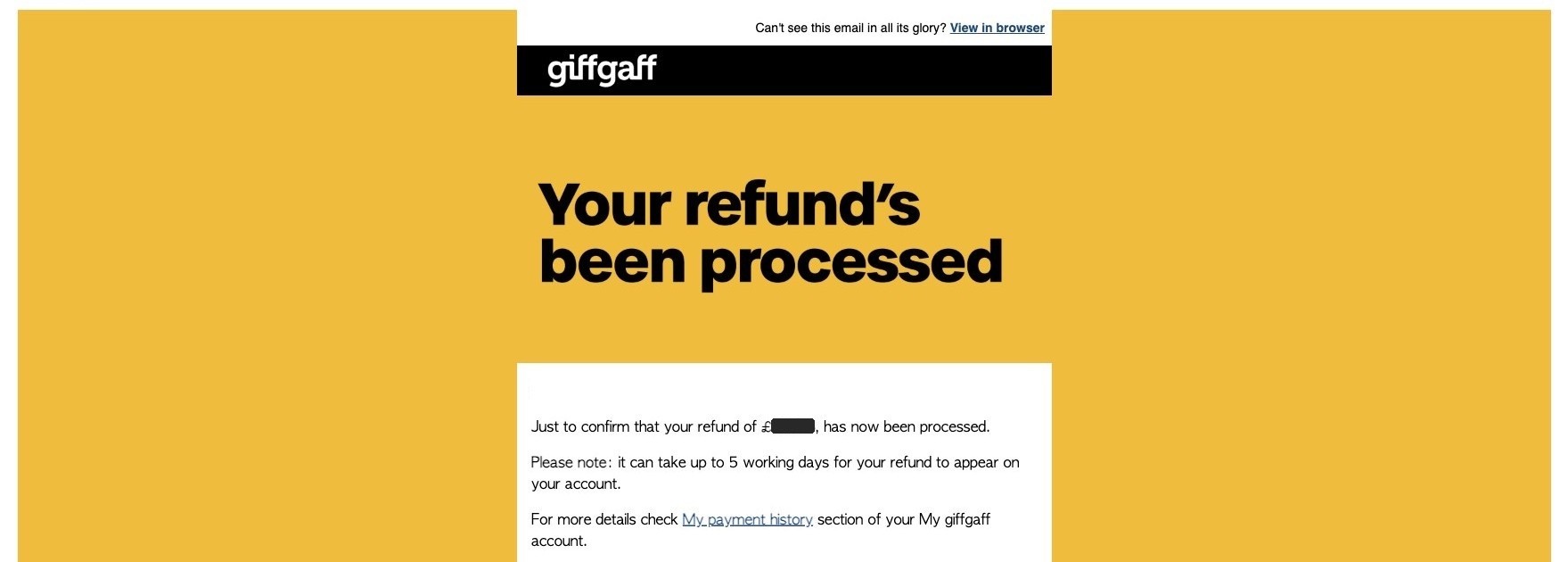
The most interesting part came at the end. Their refund email said the money would arrive within five working days. Two weeks later, there was still nothing in my account. Customer service insisted it had already been refunded on their system: if I hadn’t received it, I should speak to my bank.
AI didn’t waste time arguing. Following the prompt, it emailed them to demand the bank refund reference number. It’s a bit like asking a seller for a parcel tracking number: it gives the bank a way to trace where the refund went. If customer service can’t produce it immediately, that alone doesn’t prove the money wasn’t sent. The payments team still needs to investigate.
Customer service then replied that they were chasing the payments team. The refund reference eventually arrived, and the next morning I confirmed the money was in my account. My final reply was simply Yes, I have received it. That was it.
If you also have a membership fee an overseas platform charged unexpectedly, or a balance locked behind a deactivated account, you don’t have to struggle through the English emails yourself. Copy the prompt above and let AI first help organize the evidence and draft the appeal. Confirm logins and outgoing emails yourself, and check your bank account at the end to make sure the money actually arrived.