All your life you were taught one thing: find a steady trade and spend the rest of your days as a dutiful little cog. If you happened to be fascinated by many things at once, the grown-ups frowned and called you flighty, undisciplined, a jack of all trades and master of none. But stretch the timeline out and you find that the “specialist job” is barely two hundred years old. Factories invented it so they could slot workers into single, passive steps on an assembly line. Now that AI has flattened the drudgery at the bottom of every craft, it is the people holding nothing but one mechanical skill who feel the ground shifting first — while those multi-interest people once dismissed as dabblers can finally hand the grunt work to a machine and run an entire thing end to end, alone.
1. Being a Specialist Isn’t Destiny — It’s a Trick the Assembly Line Invented
School and work hand us the same rulebook: pick one trade and guard it for life — be a programmer, an accountant, a salesperson. Show interest in several things at once and you get written off as restless, someone who cannot sit still long enough to get good at anything.
But look back two centuries and “one person, one trade, forever” turns out to be a very recent oddity in human history. It came out of the Industrial Revolution, a division-of-labor trick designed to turn workers into interchangeable parts on a line. Even modern schooling was originally built to mass-produce people who follow instructions and stay inside the process.
Before that, the person everyone admired was the generalist who could make a whole thing. Craftsmen, farmers, explorers — nobody lived as a narrow slice of a process. When Leonardo apprenticed in a workshop to learn painting, he came out the other side having picked up anatomy, engineering, optics, and bronze casting along the way. Nobody forced him to choose one of them and go get a certificate in it. Being able to finish a complete thing mattered far more than guarding a credential.
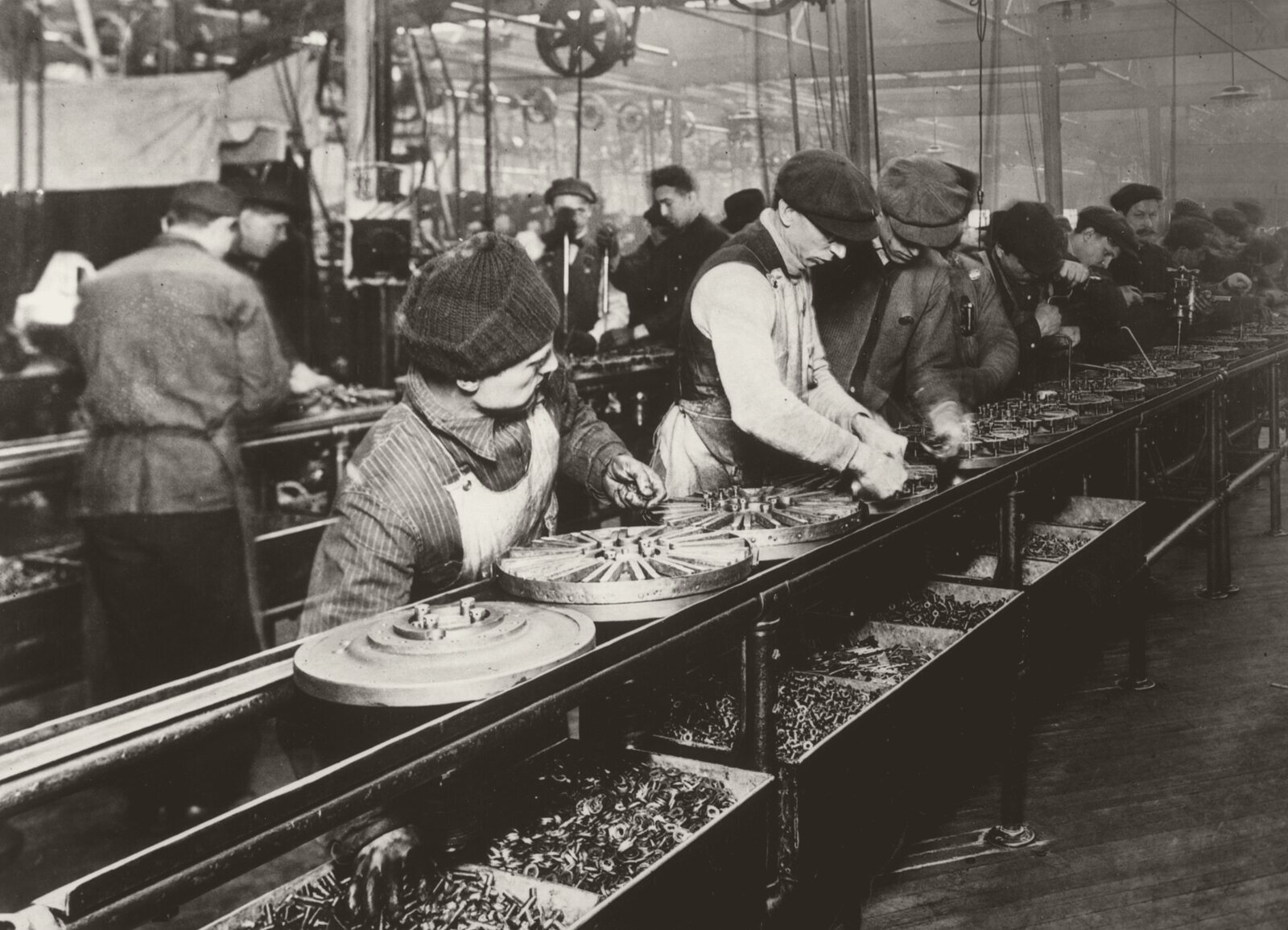
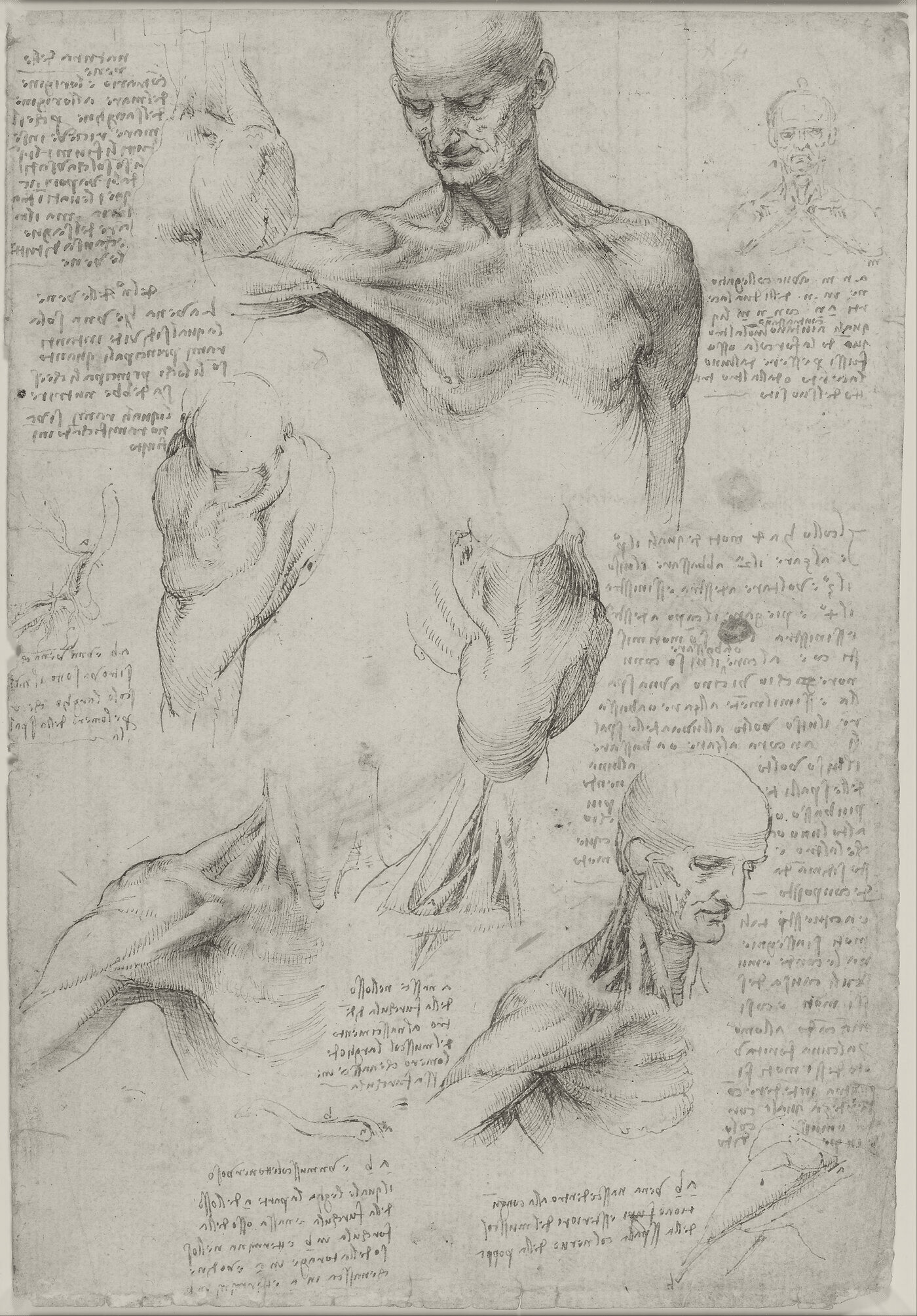
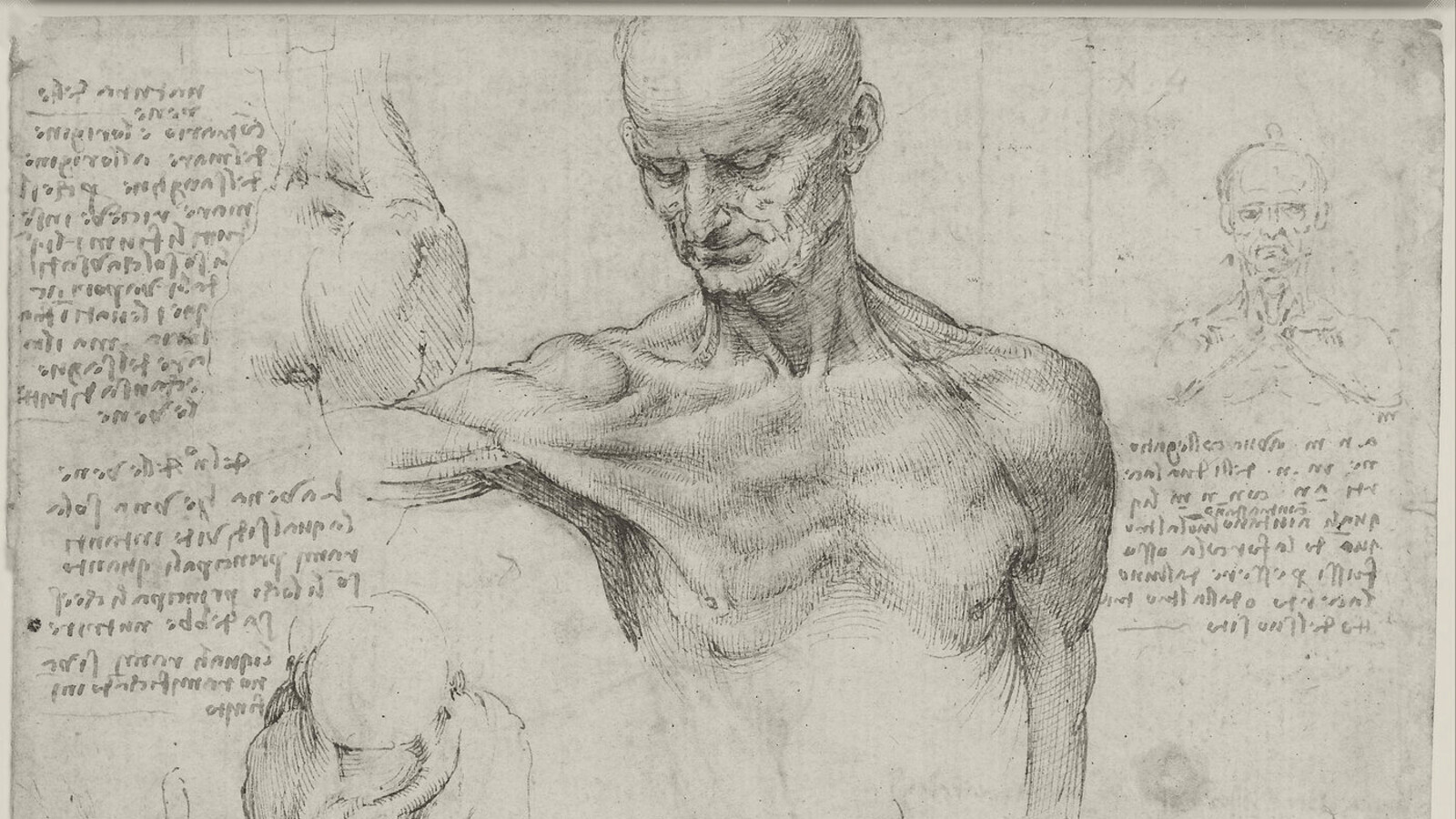
Left: the assembly line at Ford’s Highland Park plant, 1913 — the moment a “job” was broken down into interchangeable steps. Right: Leonardo’s study of the shoulder and neck, c. 1510 — one man who was painter, anatomist, and engineer at once. In the span of a century, humans were reengineered from “making whole things” into “minding one step.” Both images are public domain, via Wikimedia Commons.
When large models arrived, the first thing to lose value was not depth of study — it was the dull, repetitive, context-stripped act of operating. If everything you stand on is being a little faster than the next person inside one piece of software, getting swept away by new tooling is only a matter of time.
2. Don’t Refuse the Tools, and Don’t Turn Yourself into an Algorithm Either
Faced with new tools, most people instinctively bolt to one of two extremes.
One camp calls itself pure. They recoil from AI, convinced that touching a machine costs you your soul, forever talking about returning to nature and getting away from screens. The funny part is that they turn right around and scroll their phones until they cannot stop. As long as you spend your day reading things online, your attention is already on the algorithm’s payroll. That kind of refusal is less clarity than a flattering pose.
The other camp runs the opposite way: automation zealots. They would happily outsource every act of thinking to a tool, endlessly tinkering with management templates and building “second brains,” losing their temper at the smallest friction in daily life. Every meal, every walk gets run through a cost-benefit check. It looks clever, and it usually ends with their own capacity to feel and to judge quietly wiped along with the friction.
Both sides are off. The people who are most at ease — and most creative — tend to swing between the two: on one side a life that runs warm and real, walks, an aimless book, staring out a window, keeping their instincts about people and living intact; on the other side back at the desk, using AI without apology to blast through the dull work at full speed. Darwin put in about three serious working hours a day, spent much of the rest pacing a path behind his house and listening to his wife read aloud, and still wrote nineteen books. Being able to move freely between the real world and hard tools is what lets a person live unclenched.
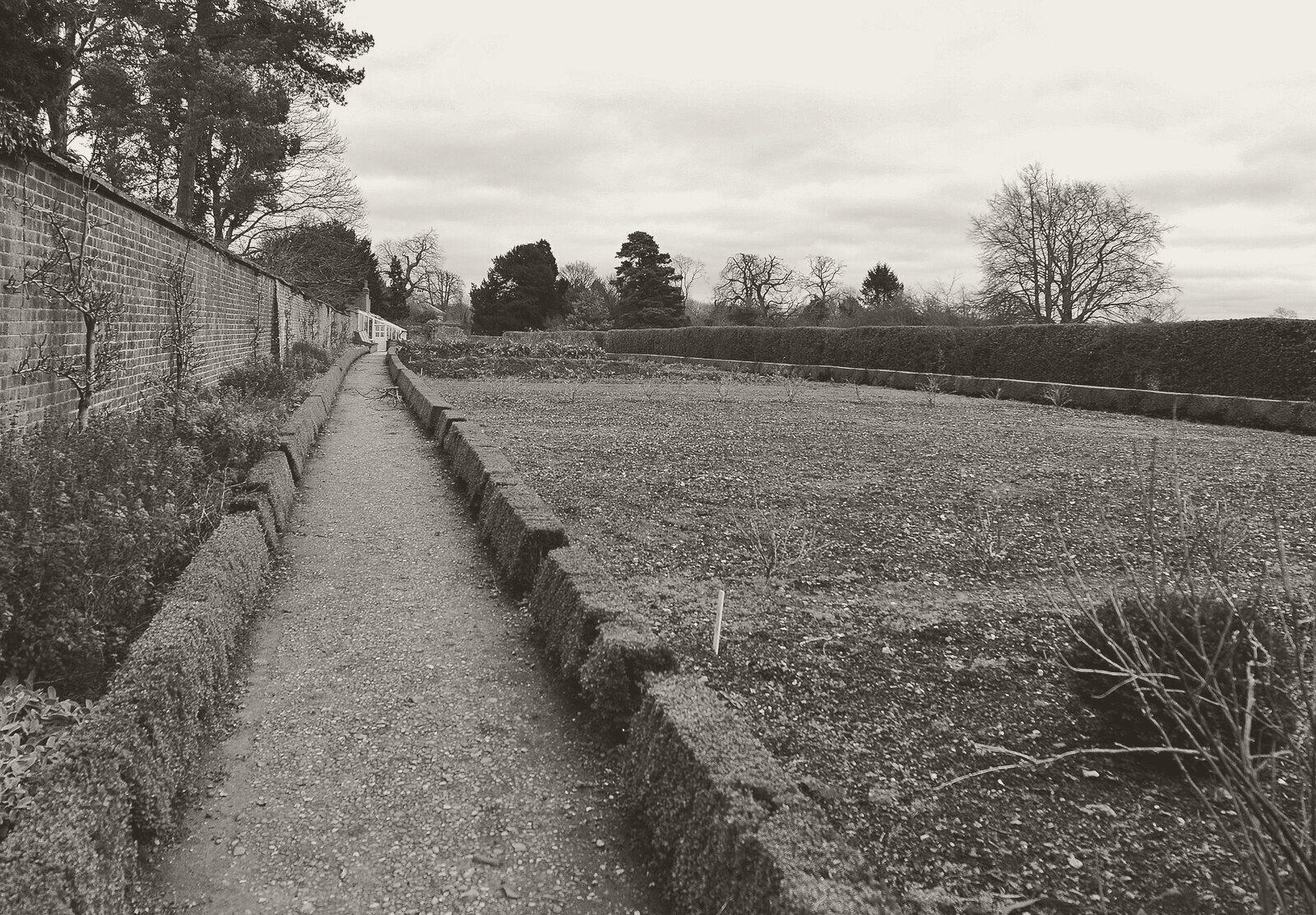
What actually opens up a gap is knowing how to live a life of contrast. On one side, walking, drifting, paying real attention. On the other, sitting down and pushing the tools as far as they go. The tension between them is the best fuel creativity has.
3. Every Tool Depreciates — Crossing Disciplines Is the Real Edge
Pry apart the things you can actually do and they fall into completely different layers:
Layer 01 · Bedrock — Understanding What People Actually Want
How to say a thing clearly, how to tell a good story, how to make someone feel sincerity and worth. There is no standard formula here, and no machine will ever compute it cleanly. As long as people are still dealing with people, this layer will never go out of date.
Layer 02 · Edge — Those “Pointless Hobbies” You Genuinely Love
Philosophy, lifting, code, drawing, running a business — anything you honestly care about belongs here. Pulled out one at a time you might lose to a specialist, but blend them together and you become instantly recognizable. A fitness coach who has read some philosophy and a coach who only counts your reps are two different people in other people’s eyes.
Layer 03 · Craft — The Basics of Getting Work Out of Specific Software
Retouching photos, memorizing shortcuts, wrangling some back-office tool. This used to look like the most valuable layer, because grinding the skill in took years. Now AI produces something comparable in seconds. If your entire net worth is “fluent in one piece of software,” that is far too much risk in one place.
What makes a person irreplaceable was never how slick they are with the tools on top. The understanding underneath, crossed with a set of loves nobody else has in that combination — that is where the gap actually opens.
4. Rough Drafts Are Fine — AI’s Ceiling Is Your Own Taste
Somebody always plays with AI for two days, then sneers that the thing only produces garbage.
Here is the plain truth: first drafts of anything are rough, and that has nothing to do with AI. The real threshold is whether you yourself know what “good” looks like, and whether you are willing to spend the attention to grind it there.
AI is a mirror. It holds no preferences of its own and has no taste to speak of. If you take whatever the machine spits out first and ship it without even reading it closely, the one settling for less is not the machine.
People who actually use it well never expected one leap to the finish. They treat it like a quick-handed intern with no read on the room. A new hire cannot possibly know your standards on day one. You have to say plainly what you want, point at what is wrong when the work comes back, correct course step by step — until the two of you finally land somewhere that clicks.
5. Hand Off the Drudgery, and You’ll See Where You’re Irreplaceable
Take a blank sheet of paper. List the small dull tasks you do every day, one by one, and look at which ones you could hand straight to AI or a script.
Doing this is not about becoming hands-off tomorrow. Its real value is forcing you to work out where the machine can actually take over, and which parts have to stay with your own taste and instinct.
Once that line is drawn, the noise settles. Let the tools chew through the repetitive work; the attention and hours you get back go straight to the things you genuinely care about and want to pour yourself into.
None of this means focus and depth stopped mattering. The scientists gnawing on hard problems, the craftspeople who spend a lifetime on one discipline — they command respect in any era. What is being reshuffled was never real professional depth. It was the cog model that treated people as consumable: mind one monotonous link in the chain, know nothing upstream or downstream, and stay swappable at any moment.
And for people who are naturally curious about many things, this reads more like an exoneration two hundred years late. Inside the old division of labor they took the brunt of it, hearing the same lecture their whole lives: you never stick with anything, jack of all trades, master of none. And honestly, it was hard back then — grinding the basics of any single craft took years. Wanting to build a website meant years of code; wanting to make a poster meant years of drawing; wanting to run a business meant getting tangled in procedure. Split your attention and you genuinely could not beat someone who had practiced one move for a lifetime.
AI flipped that rulebook over. It works like a construction crew that charges nothing, taking the most punishing, most time-consuming groundwork of any craft to a solid seventy or eighty percent. At that point “how do I type it out line by line” stops being the chasm, and the instinct for what to make, how to join unrelated things together, and what actually counts as good becomes the scarcest thing you own. All those supposedly scattered “pointless hobbies” — the odd books you read, your feel for beauty, your nose for technology, your grasp of business — turn out to be exactly what protects you. With AI as the lever, one person can string the loose beads into a necklace and finish, start to end, what used to take a small team.
So stop feeling guilty about your wide curiosity. The world is turning back from the cold assembly line toward valuing whole things made well. Hold on to your taste, knead your many interests into a skill nobody else has, and let AI chew the grunt work — running an entire thing yourself, living as someone with blood in their veins who cannot be swapped out, is the long game available to every one of us.
Background reference: Dan Koe’s video If You Have Multiple Interests, Please Take Advantage of the Next 10 Years.