Anyone who has touched video editing over the past decade has almost certainly run into Sam Kolder, whose YouTube channel is kold.
You could say he was the gateway teacher for an entire generation of video lovers. Countless people who wanted to learn editing or become travel creators fell into the craft by watching those videos — sitting at a computer, masking frame by frame, trying again and again to imitate that rhythm. Those seamless transitions through clouds and oceans, those speed ramps locked to the beat, were so recognizable that the whole circle simply called them the “Kolder style.”
That was the coming-of-age story for a lot of creators who fell in love with editing. To trick the viewer’s eye for just a few seconds, people stayed up all night inside editing software, tuning speed curves and calculating parallax. That almost monastic craft used to be one of the highest barriers in the video industry.
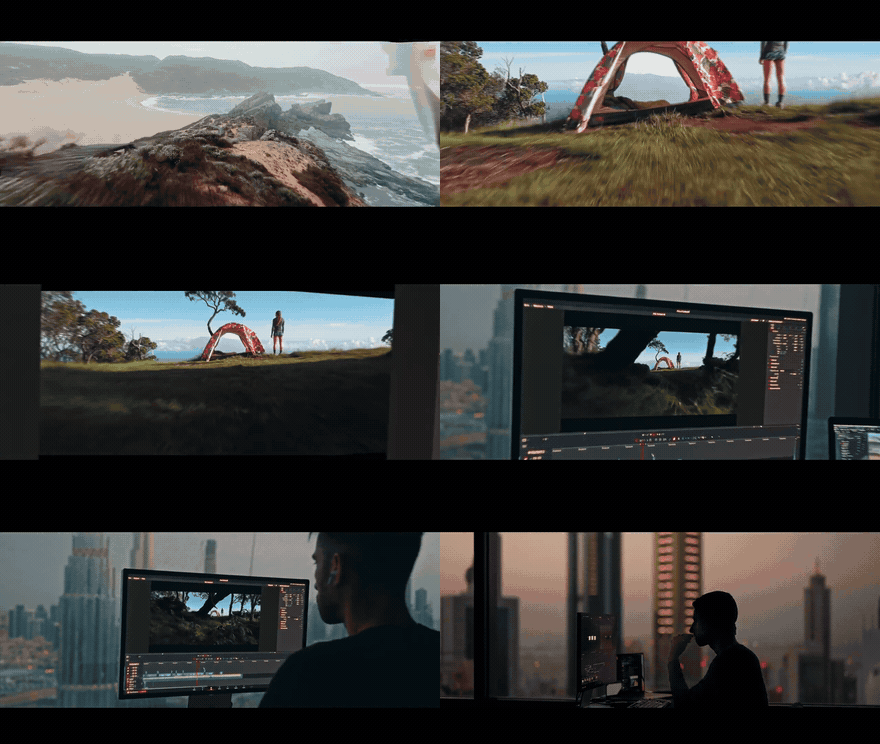
And nobody expected that the same person who once pushed the craft to its ceiling would release a new film not long ago.
The title was blunt enough to carry a cold kind of surrender: AI is officially better than me....
The film opens with a heavy confession:
“It seems like AI is officially replacing me. Maybe not all of me, but a large part of who I am, and what I make a living from, is being replaced.”
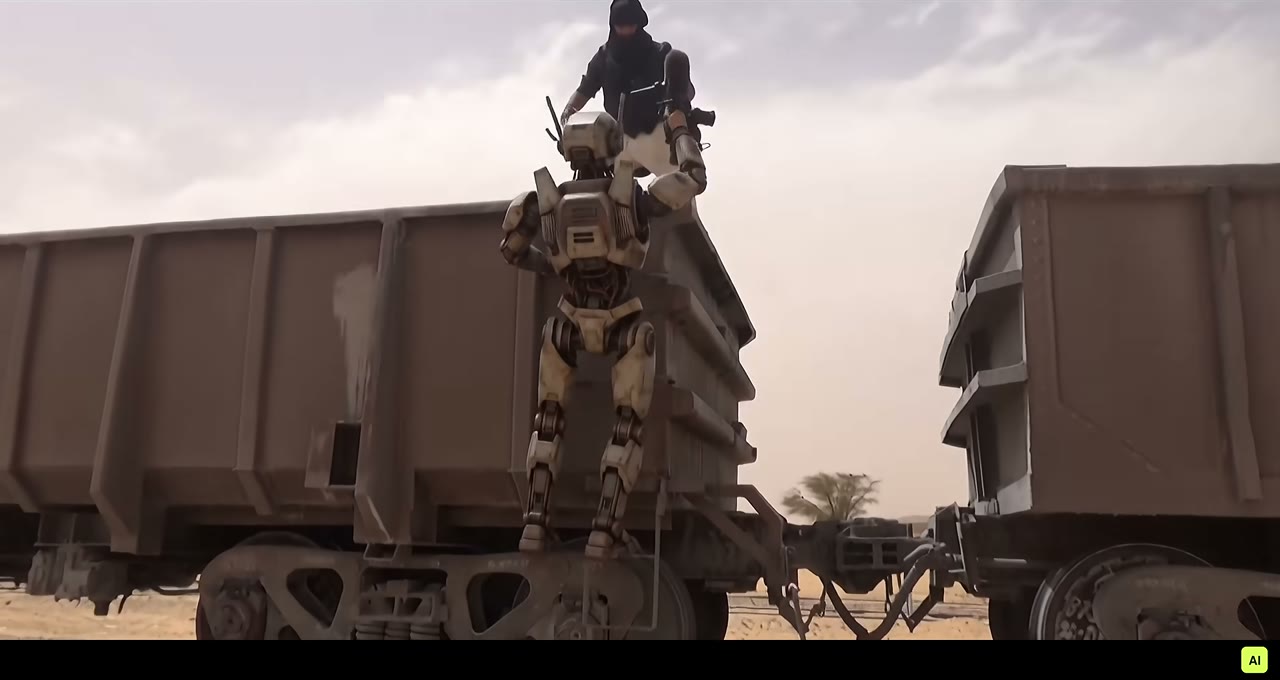
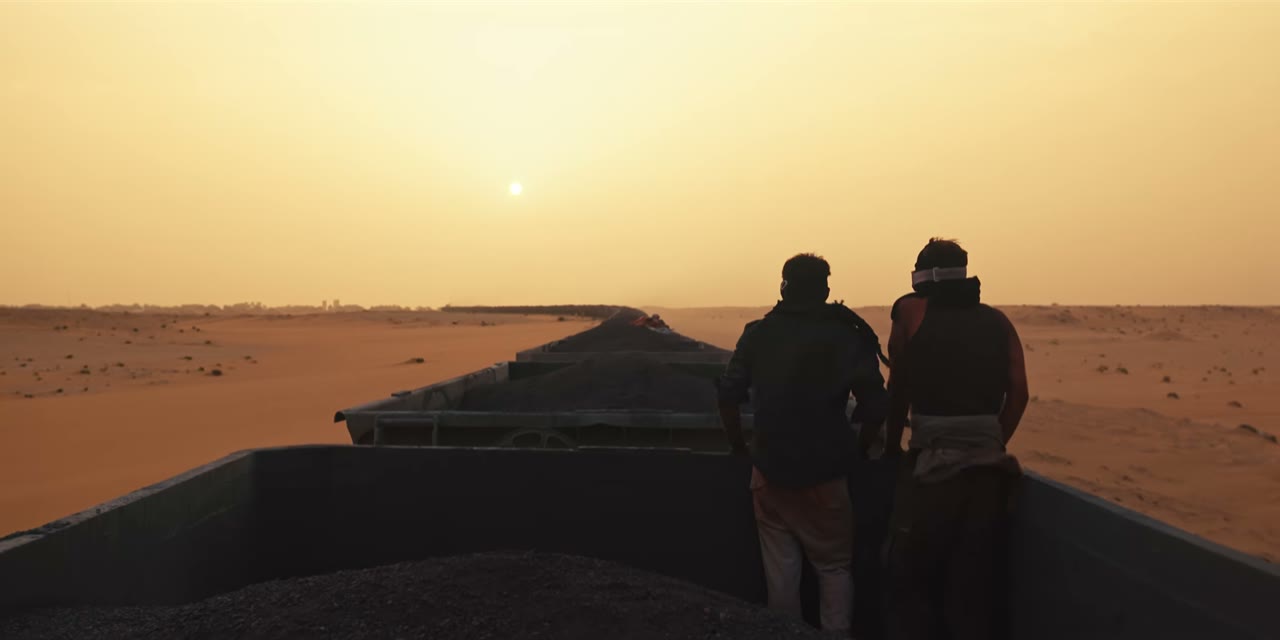
A few surreal traversal shots flash by at the start. Sitting on top of an iron-ore train crossing the Sahara, he shakes his head at the screen — even someone who has spent more than a decade doing top-tier editing does not know where he would begin if he had to make those images by hand.
When the person who inspired countless people to edit admits that his signature craft has been reset to zero, many people assume this is another tragedy of the craftsperson being eliminated by the algorithm.
But if you watch the main film alongside the 15-minute behind-the-scenes documentary that followed it, you find that the real point is the exact opposite:
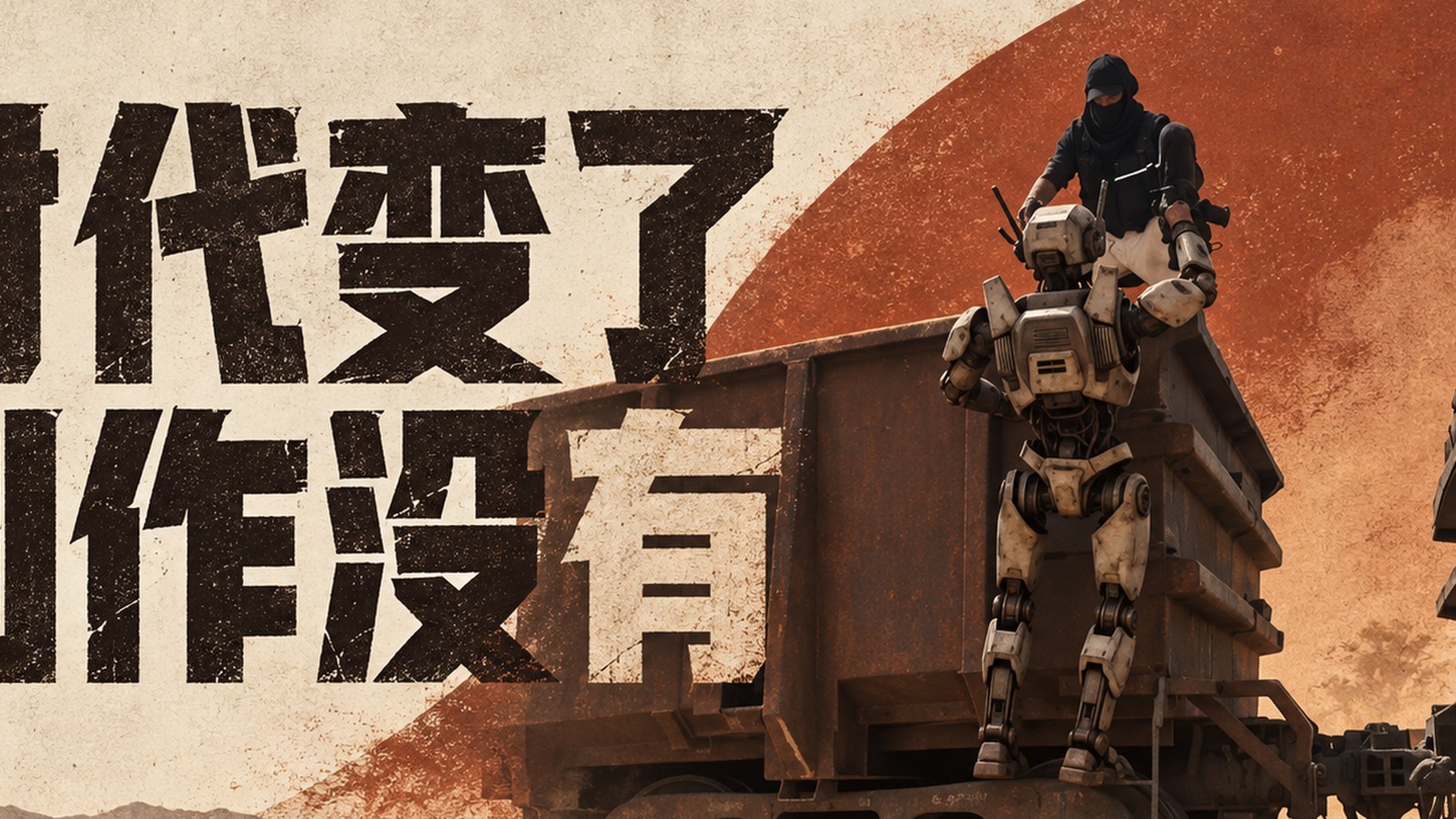
The times really have changed. AI is ruthlessly killing every technical barrier. But real creation has not changed one bit.
01It Wasn’t AI That Killed the Barrier
It Was the Technical Leveling That Keeps Happening
Two years ago, when that crooked AI video of “Will Smith eating spaghetti” first appeared online, anyone who made a living from craft probably felt the chill in their bones:
“At the time I honestly felt like this was the beginning of the end. If the tool can make this without me, then what am I even doing here?”
That fear was painfully real. Everyone who stands on skill has some pride inside: “I can make something other people cannot.” We spent ten years eating bitterness, surviving countless all-nighters, and finally built a technical amulet that let us stand on our own. Then, in the blink of an eye, an algorithm flattens that barrier with two lines of text.
Anyone would go through a phase of resentment when their sense of value and identity suddenly loses weight.
But: “There are only two kinds of mind: one that blames the world, and one that accepts what is here.”
Why accept it? Look back at the evolution of tools over the past fifteen years, and the answer was already written into history:
“Gear gets cheaper, the barrier gets lower, and more people can make things. That has always been good.”
See it that way and what killed the technical barrier was never just today’s AI. It was the technical leveling that happens again and again.
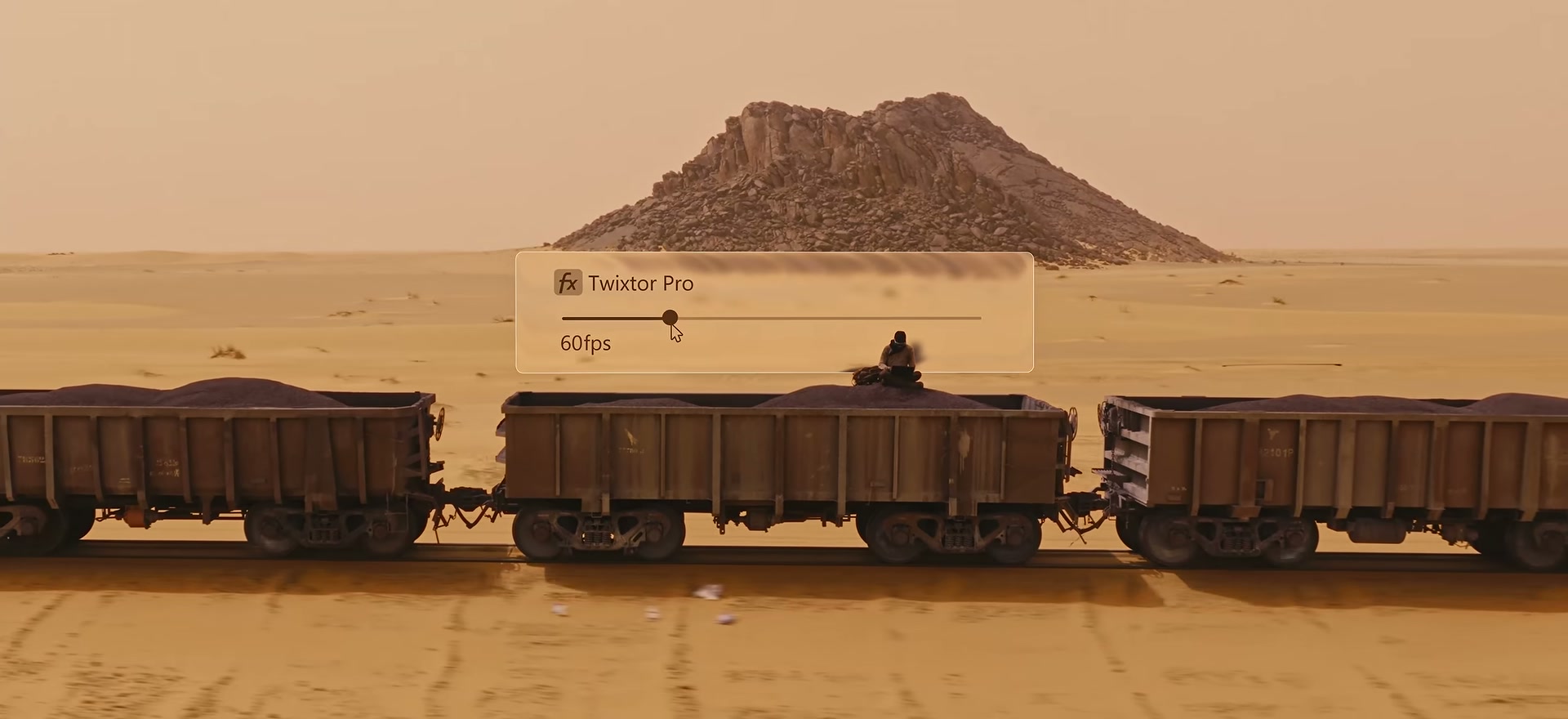
Fifteen years ago, we used a $300 plugin to flip the table on Hollywood’s $100,000 machines. Later, we used a laptop keyboard to save the cost of an orchestra, and algorithms to save the all-night labor of an editing assistant. Every time a new technology reshaped the industry, as long as we were the ones holding the new weapon, we sincerely praised progress.
But history has its rhythm: the cheap weapon that once let you overthrow someone else will eventually become the blade an algorithm uses to overthrow you.
That is not the end. It is just the inevitability of technical leveling.
You cannot drag the world backward, and complaining does nothing. Every creator who wants to go far sooner or later has to face this fact: software fluency, shortcut memory, the hand speed of all-night rotoscoping — those were always skilled labor, not art itself.
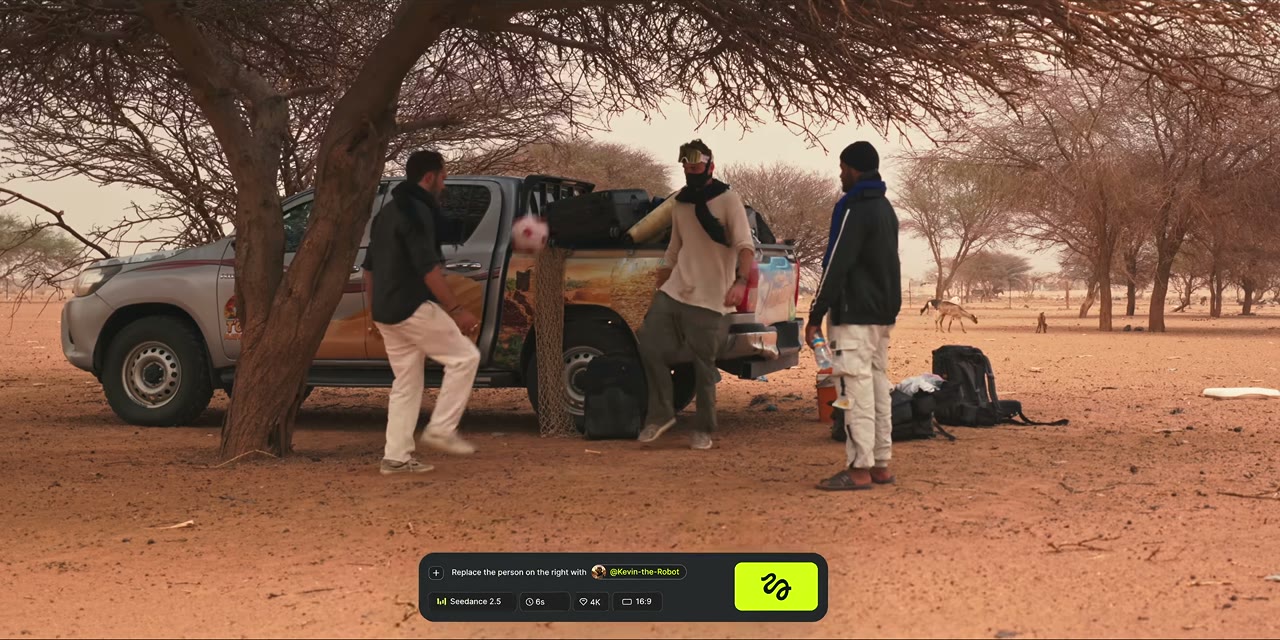
02Only 15% of the Film Was Actually AI-Generated
So how was that 15% made? The workflow was actually very simple, and extremely restrained:
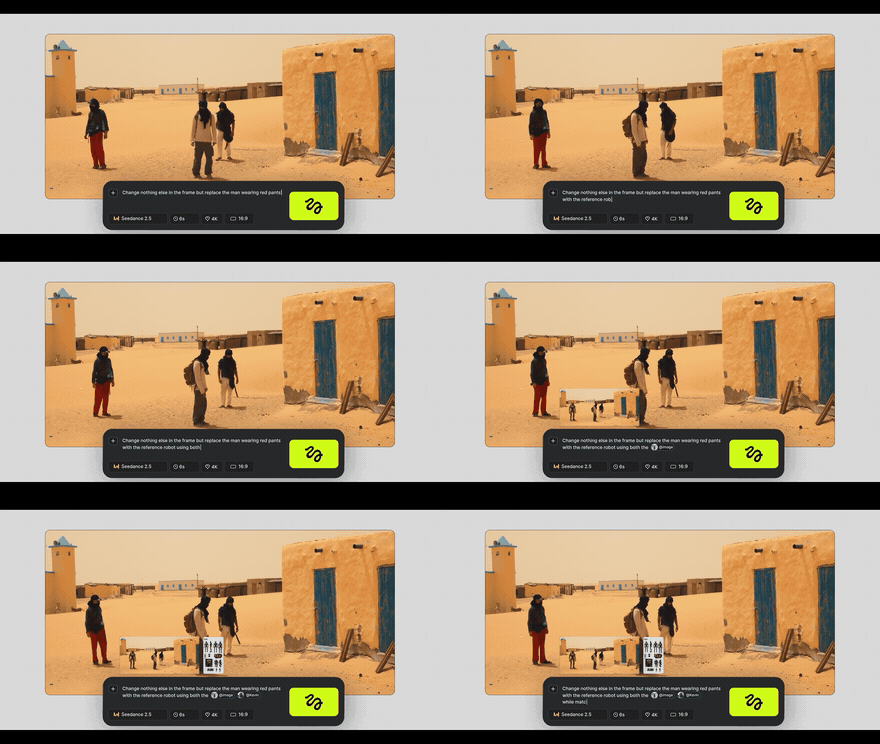
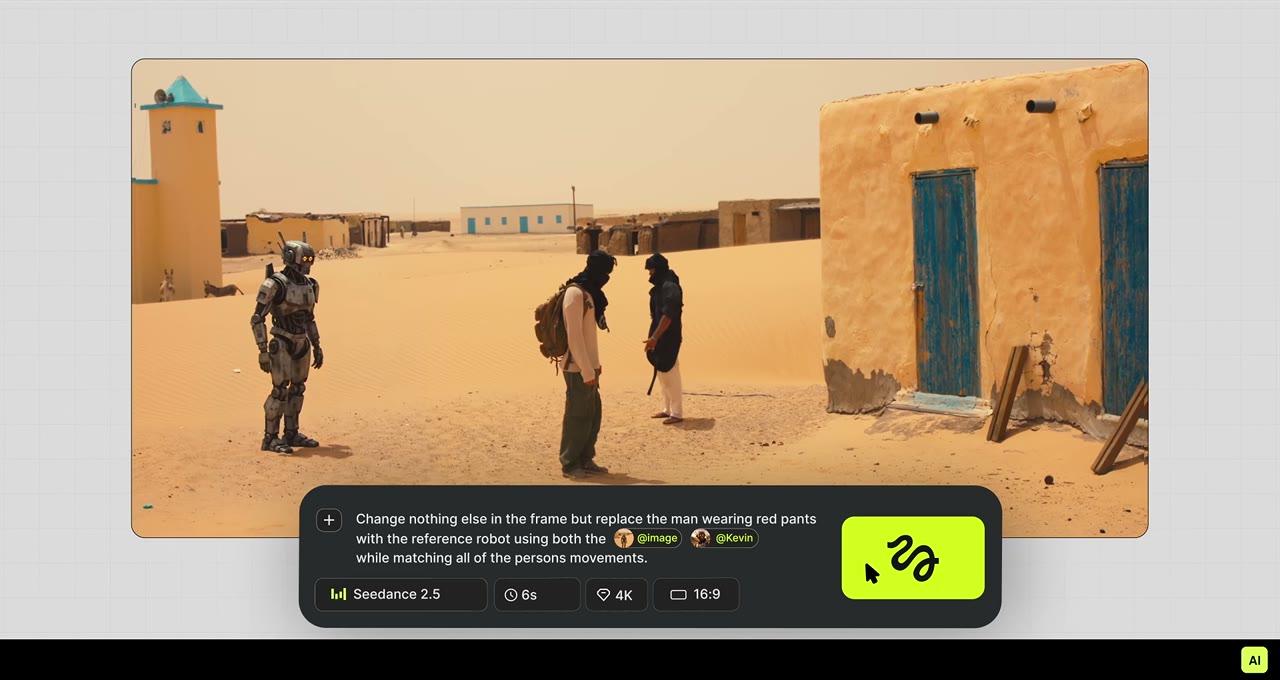
The remaining 85% still had to be shaped by hand:
Writing the script and refining the plan took weeks.
To capture a few big aerial shots, the drone pilot pushed a Mavic 3 to its top speed chasing a train at full tilt. One shaky hand and the aircraft would have vanished into the empty Sahara for good.
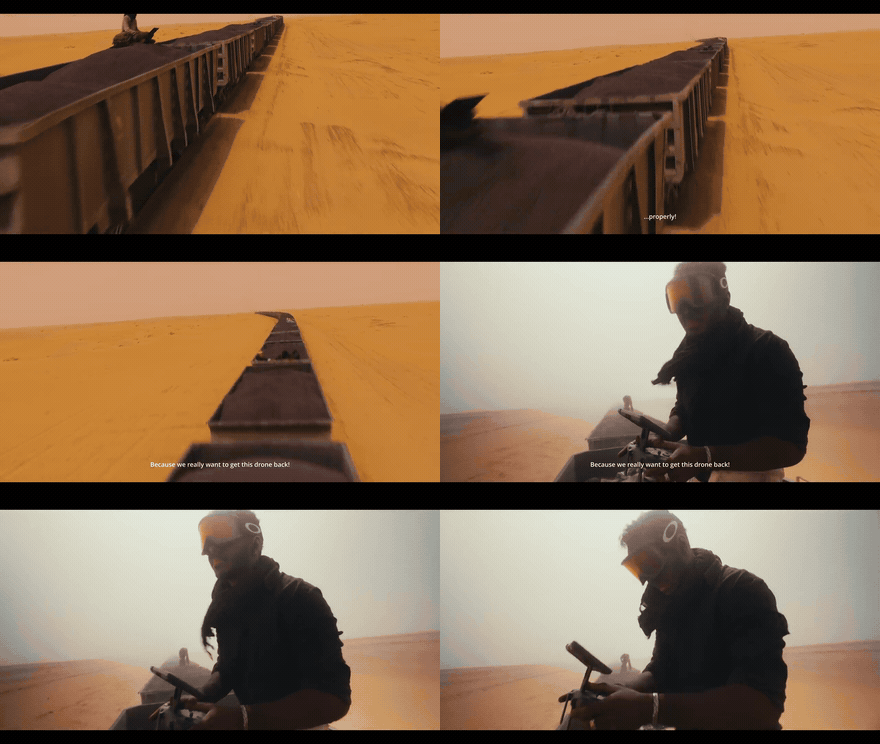
Rough cuts, color grading, frame-by-frame adjustments, and on-location sound design still had to happen.
“Brainstorming stories and images, getting stuck, and then breaking through — that is still the creative process I have always known.”
03Creation Is a Spectrum
The End of AI Flooding Is a Mediocre Sea of Trash
Now, whenever people see an AI-labeled film online, many instinctively call it “AI trash.”
And yes, the plastic visual effects mass-produced by models are flooding the internet. But everything depends on which end of the spectrum you stand on.
At one end is the fully lazy operator. Type “help me shoot a sci-fi blockbuster” into a prompt box, and watch whatever the model spits out. That kind of intentionless cyber-trash has no life beyond diluting attention.
At the other end is someone working with extremely specific composition and emotion: holding real light, dust, sweat, and risk from a desert shoot, and handing only the hardest small visual puzzle to AI.
Tools can be abused without restraint, or controlled with very strong intent.
AI can generate a pile of things you do not care about in thirty seconds. It can also help you realize a picture in your head that would once have been impossible even if you spent everything you had.
What it takes away is the manual labor of operating software. But “what exactly do you want to say to the world?” is something no algorithm can calculate for you.
04The Scarce Thing Was Never Skill
It Was Your Perspective and Lived Experience
The legendary music producer Rick Rubin has a line that sets the frame for this whole storm:
“Art is not in the tools, materials, or equipment. It is in the way you see the world.”
Rick Rubin himself can barely play any instrument, and he does not even really understand every fader on a mixing console. Yet he helped make some of the greatest records in pop music history, because he has top-tier aesthetics, taste, and instinct.
AI is essentially pushing more creators into a position like Rick Rubin’s.
In the past, we had to grind through three to five years of 3D modeling, particle effects, and color-grading software before we could barely reproduce the images in our heads. For many people, that long physical grind wore away most of the original impulse to express anything.
Now the technical threshold has collapsed to zero. But once “making it” is no longer hard, beautiful images themselves lose value fast. Audiences everywhere will quickly become numb to flawless pure-AI spectacle.
When that day arrives, what scarce thing actually decides the outcome?
It is your perspective. It is your particular way of seeing the world.
And what shapes that perspective is lived experience that is real.
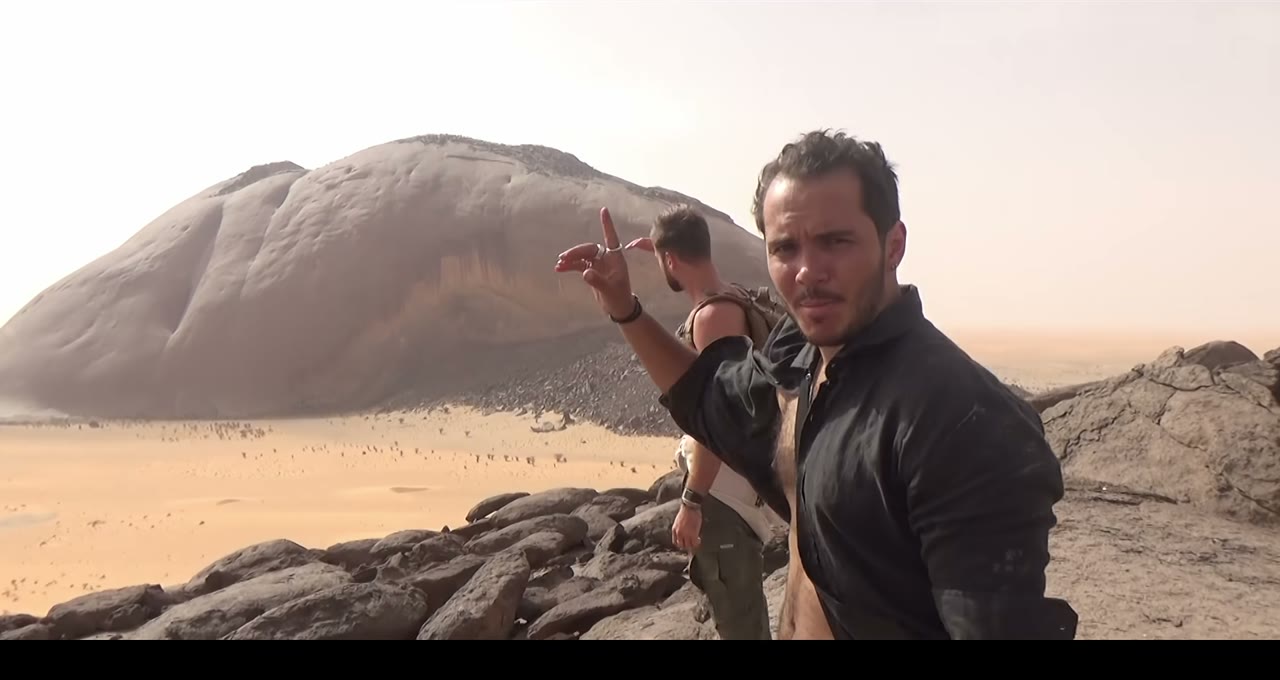
The film finally stops in front of that enormous monolith in Mauritania. It feels like the end of an old chapter, and the opening of a new one.
The times have changed, but creation has not. The technique is dead, but the human is alive.
· The End ·